
Oliver is a former Google employee running an independent consulting practice with $7M+ in annual ad spend under management, 1,850+ online students, and 300+ business owners coached one-to-one.
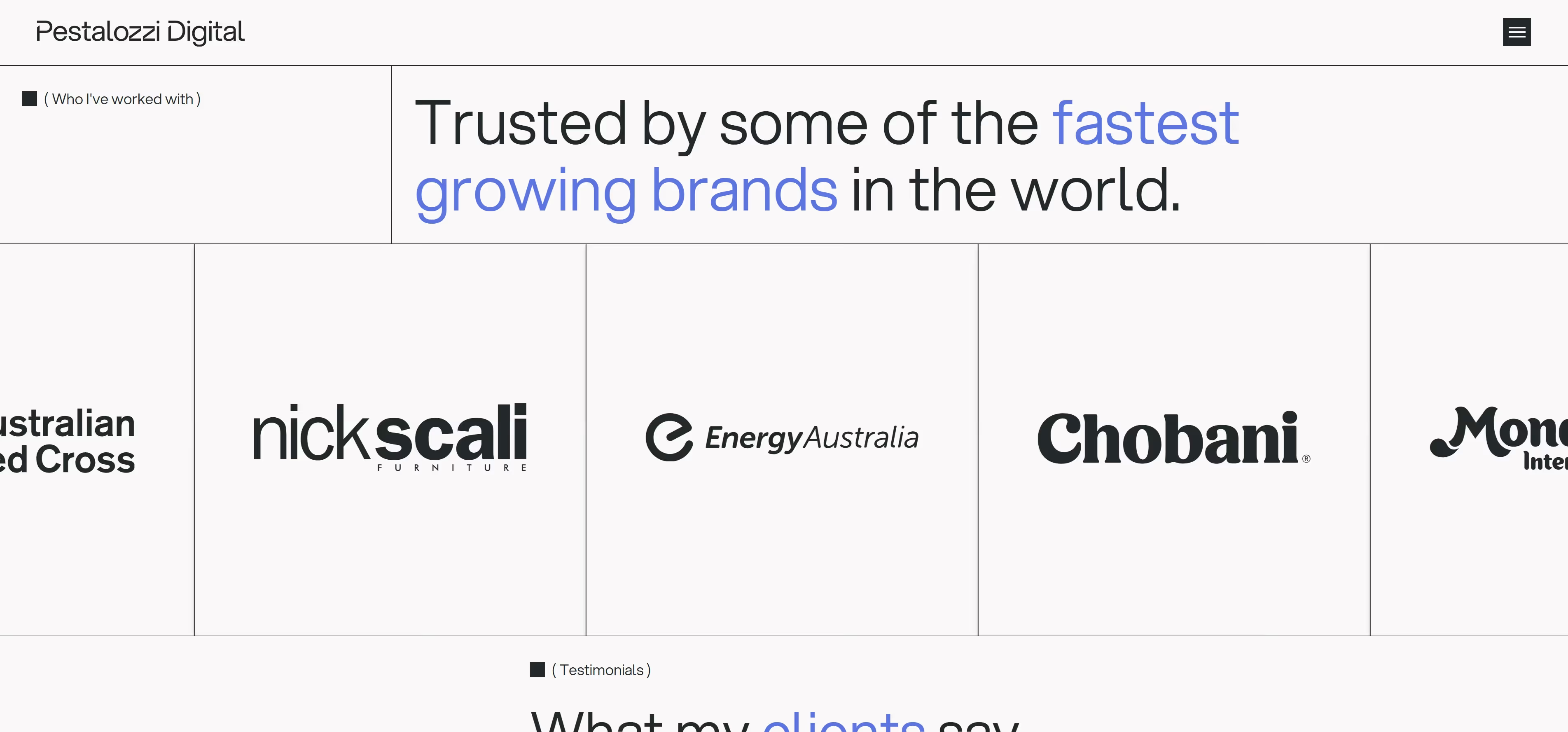
The brief
Oliver is a former Google employee running an independent consulting practice with $7M+ in annual ad spend under management, 1,850+ online students, and 300+ business owners coached one-to-one. His audience is sophisticated and judges the brand on the same standards their own businesses do — which meant the site couldn't just communicate the services, it had to feel like it belonged on the same shelf as the brands he's worked with.
The design was already done when I came in. The job was to develop it in Webflow with enough craft in the motion and theming that nothing about the build undersold the design.
of a high-polish brand site for a senior digital ads consultant whose client list runs from startups to Fortune 500s
fully integrated through the design system rather than bolted on top
The client can publish new wins and quotes without a developer in the loop
What was built
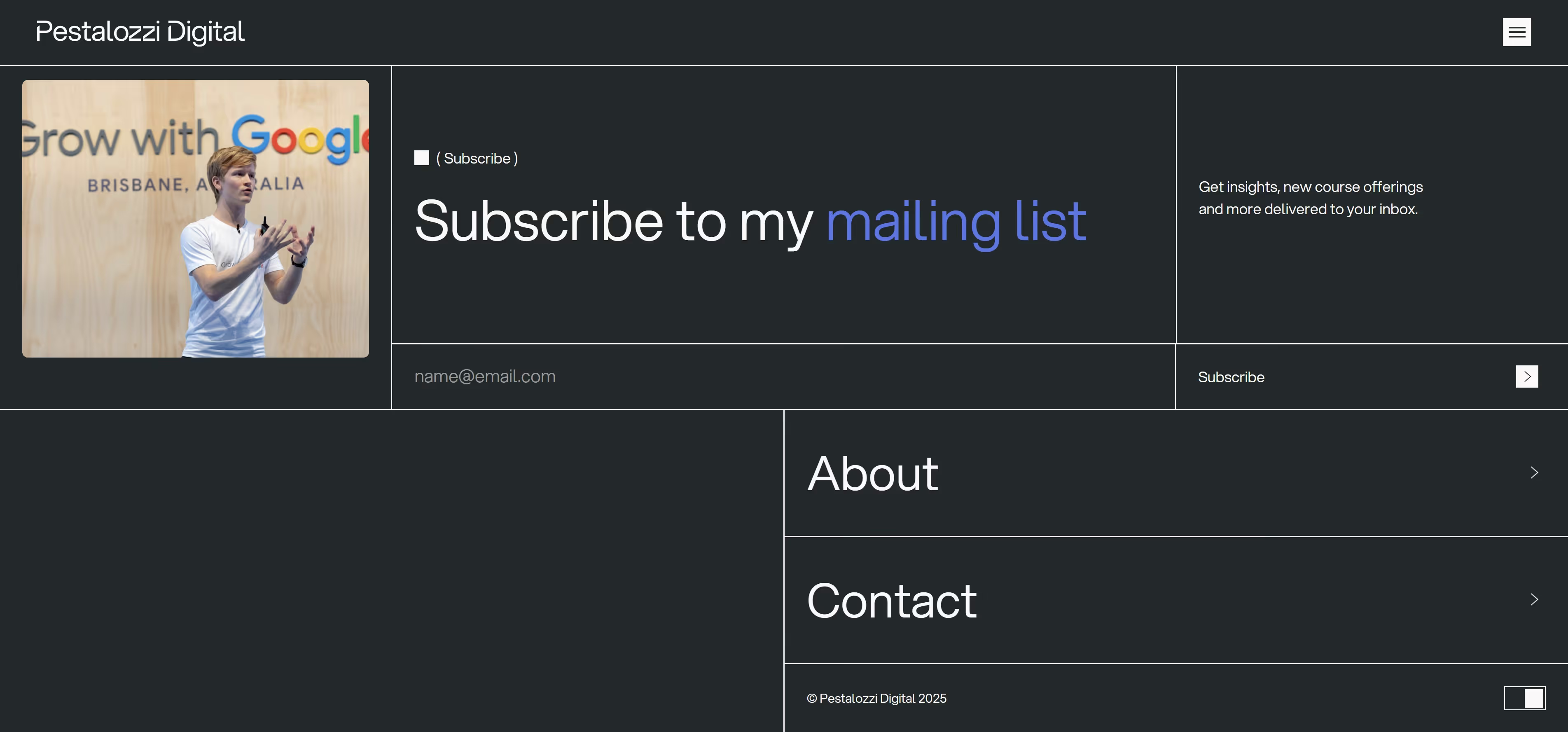
Not a CSS filter, not a colour swap on the body. The theme system is built on CSS custom properties wired through the design library so every component — backgrounds, text, borders, dividers, hover states, even the parenthesised section labels that punctuate the site — flips coherently. Preference is persisted.
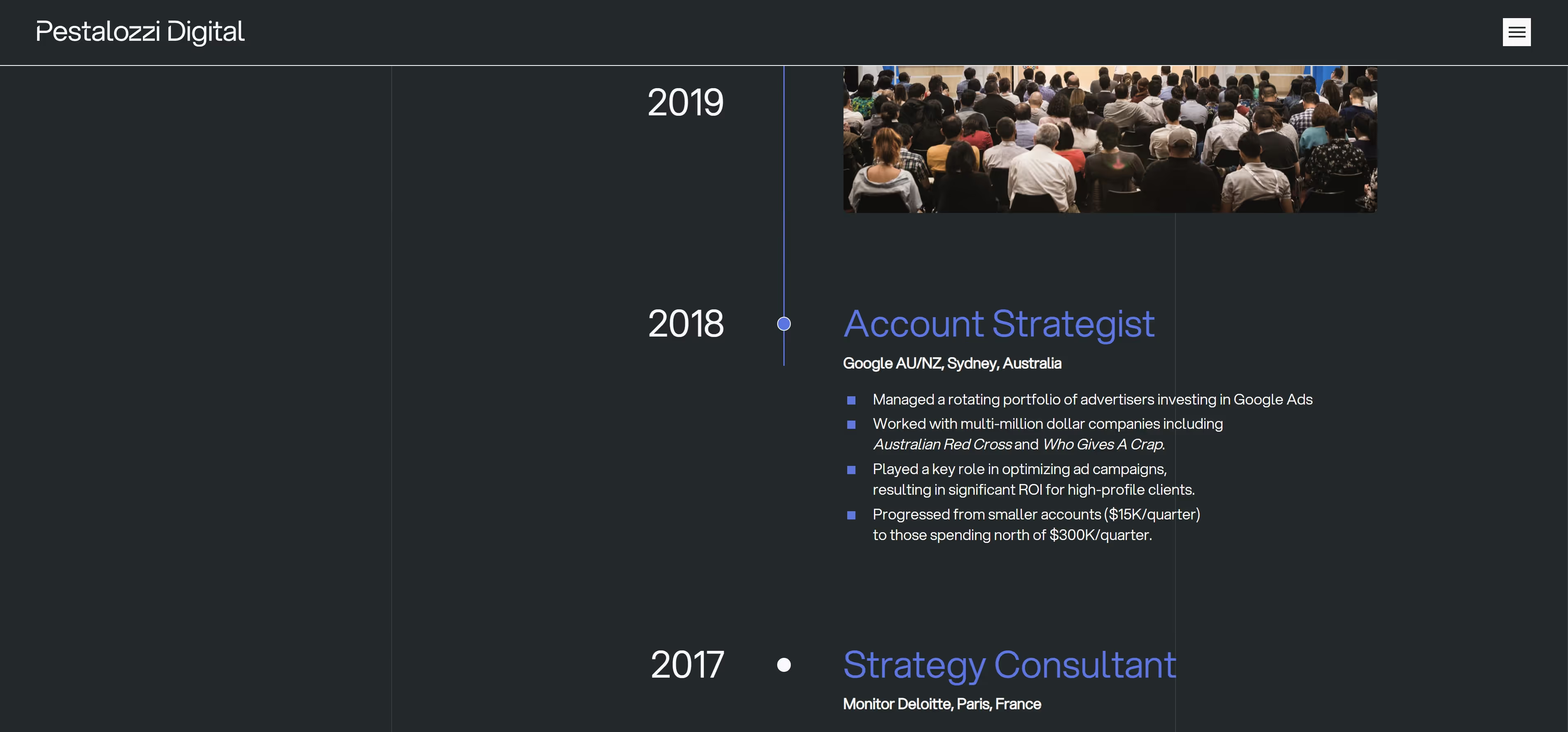
Webflow's native IX2 handled the scroll-triggered reveals and simple state transitions. For sequenced timelines, custom easing, and multi-input interactions, I dropped into GSAP — keeping the editor clean for future Webflow-only updates. One motion language, not two systems stitched together.
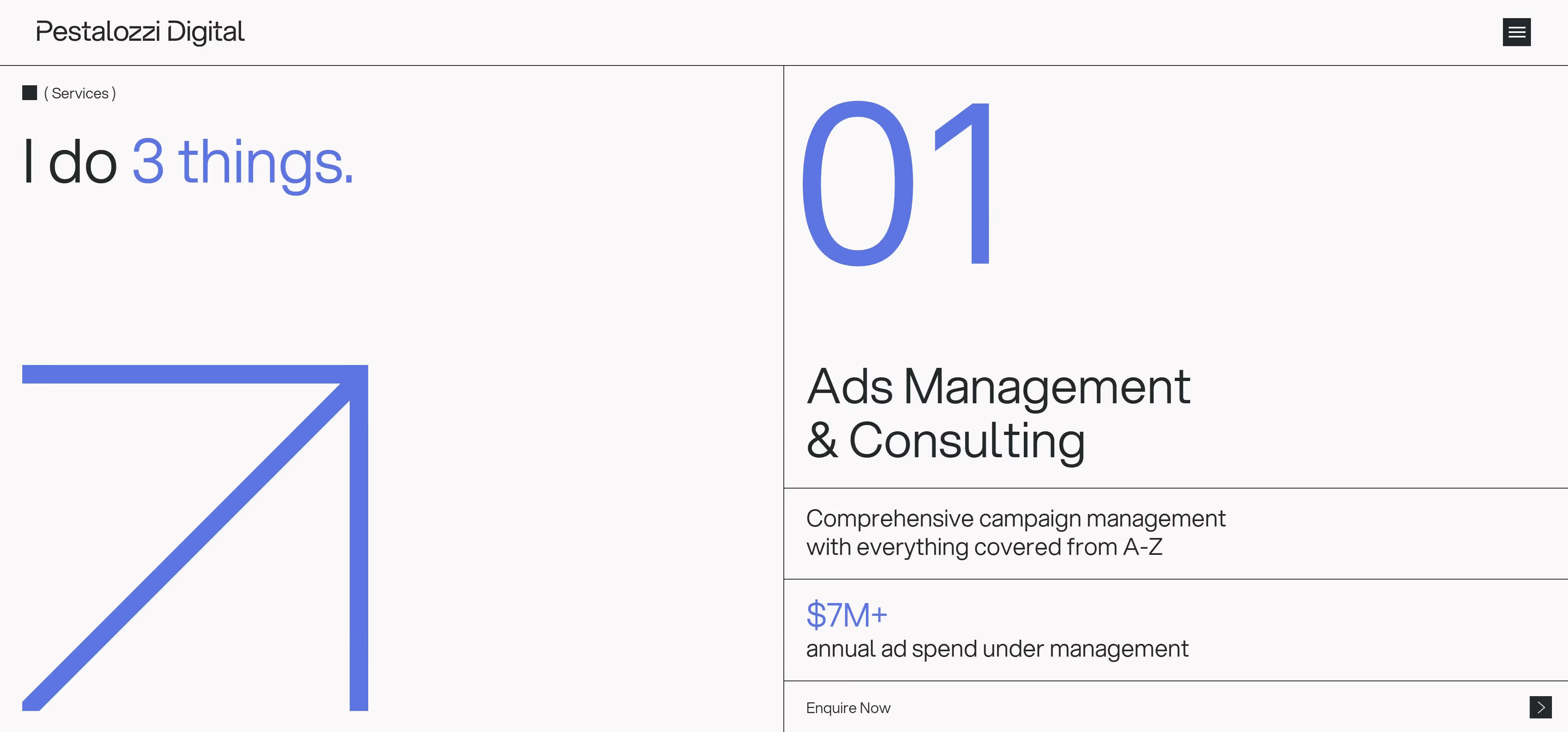
Case studies and testimonials are CMS collections. Each case study renders the same three-act structure (challenge / approach / result) from CMS fields, so adding a new one is a content task, not a development task. Same for the testimonial wall — new quotes go in, the layout adapts.
What this project shows about my work
comfortable working downstream of a strong design, without trying to redesign it on the way through
light/dark, GSAP integration, CMS-driven content, performance discipline
the difference between "it animates" and "it feels right" is decisions about timing, sequencing, and toolchain, and I treat those as real deliverables
agencies and designers with their own visual direction can hand work over knowing it'll land
What do you need?
Select all that apply.